Listening to Your Data

Today we explore The Quantified Self — wearables and the pursuit of personal metrics — through stories, practical experiments, and clear guidance that turn numbers into meaningful daily choices. Expect candid wins, honest setbacks, and humane strategies that respect privacy, motivation, and joy. Share a recent experiment or question, invite a friend, and subscribe for gentle prompts and fresh ideas you can actually keep.

Getting Started with Self‑Tracking

Set Intentions, Not Just Goals

Write a single sentence describing why the metric matters to the person you hope to become. Pair that with a minimum action you can do even on bad days, and a celebration that feels sincere. Intentions anchor identity, while goals simply mark distances between checkpoints.

Choose the Right Sensor Stack

Start with comfort, battery life, and data export, then consider accuracy for your specific use case. A chest strap excels for intervals; a ring or watch simplifies sleep trends. Avoid collecting more streams than you can interpret meaningfully each week, preserving attention for reflection and adjustment.

Start a 14‑Day Baseline

For two easy weeks, change nothing except noticing. Wear your device, capture meals and moods briefly, and jot context around notable days. Establishing noise, routines, and natural variability prevents overreacting to outliers, and gives future experiments a stable comparison that supports clearer decisions without drama.

What Your Devices Actually Measure

Behind friendly graphs live assumptions, sampling rates, algorithms, and trade‑offs. Understand how sensors infer steps, sleep stages, readiness, and energy burn, and learn where estimates shine or wobble. Knowing limitations protects confidence, guides experiment design, and prevents magical thinking that mistakes convenience for ground truth.

Steps, Cadence, and Gait

Accelerometers translate wrist or hip motion into step counts, often misreading stroller pushes, typing, or cycling. Cadence reveals intensity; stride symmetry hints at fatigue or injury risk. Cross‑check with timed walks, track workouts, and occasional manual tallies to calibrate expectations and discover delightful, practical thresholds.

Heart Rate, HRV, and Readiness

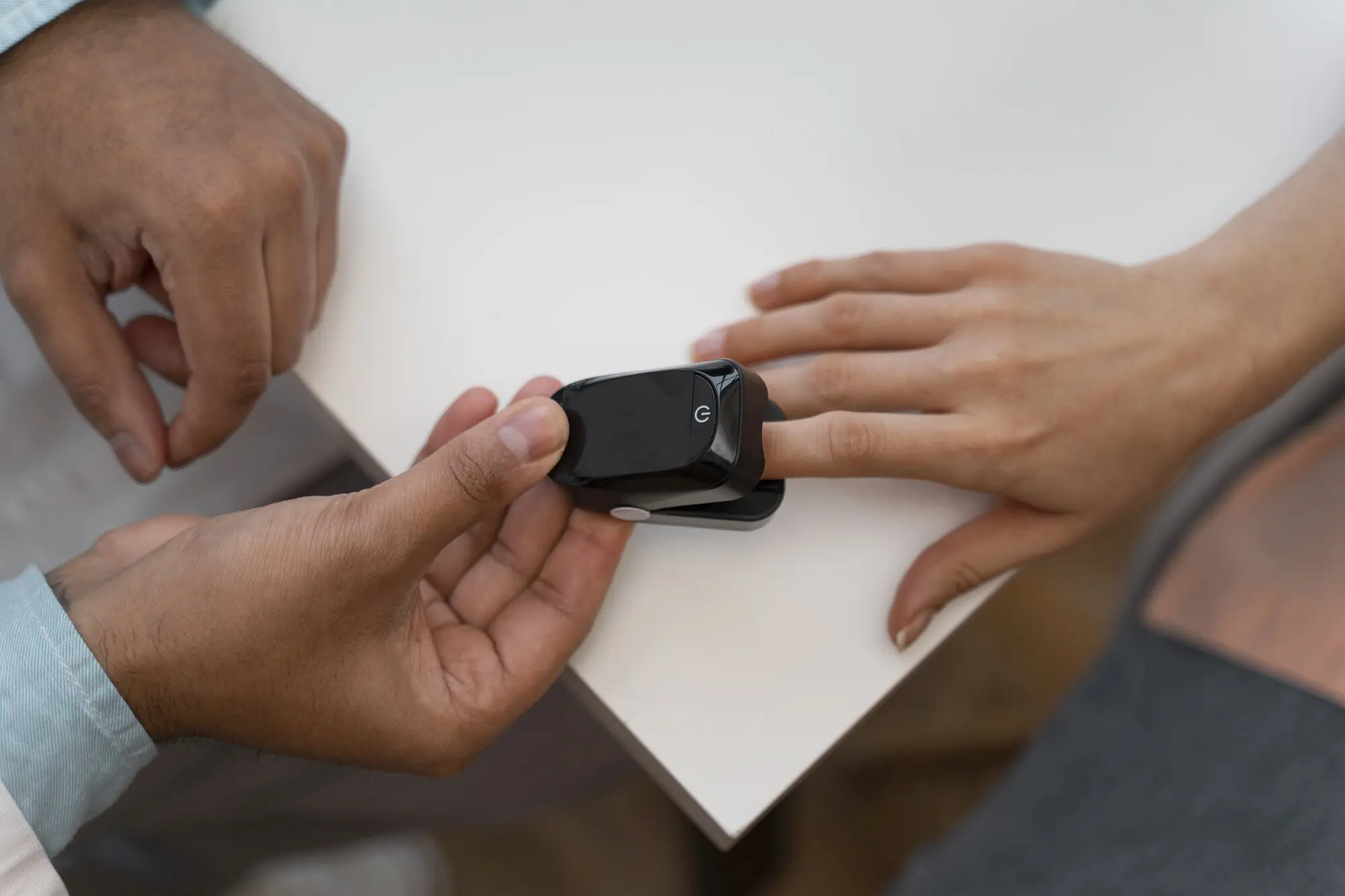
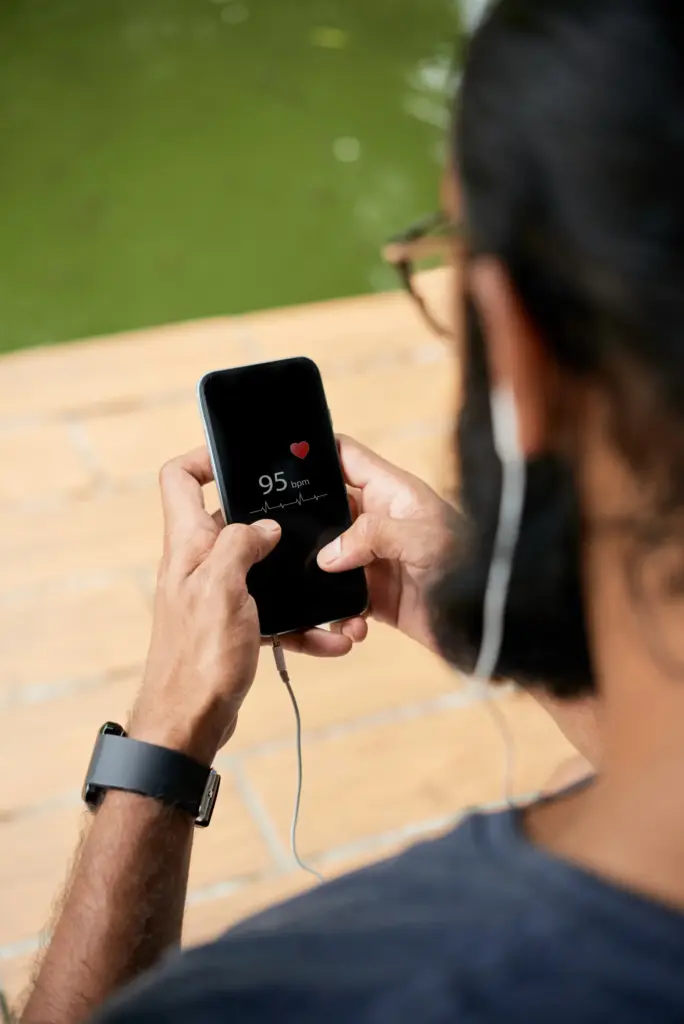
Optical sensors estimate pulse using light; darker tattoos, loose bands, and cold weather can skew readings. Heart rate variability trends, not single numbers, better reflect recovery. Pair rest measurements with subjective check‑ins to decide when to push, maintain, or gently coast without guilt‑fueled overtraining.

Sleep Stages and Circadian Clues

Algorithms infer stages from movement and pulse patterns, helpful for habits rather than medical diagnosis. Focus on consistency, wind‑down routines, and wake time regularity. Track light exposure, caffeine timing, and evening screens to notice how small shifts reshape deep sleep and morning alertness over weeks.

From Numbers to Behavior

Data changes little until it reshapes the environment, prompts, and identity that drive daily choices. Turn insights into tiny commitments, embed them where friction is lowest, and celebrate progress frequently. Compassionate iteration beats heroic willpower, especially when life throws storms and schedules wobble without warning.

Local First and Exportable

Prefer apps that function offline, store files on your device, and let you export in open formats like CSV or JSON. Portability protects long‑term learning, enabling comparisons across years and hardware. Backups matter too; future insights depend on today’s diligent, boring archiving habits.

Consent as a Daily Practice

Treat toggles and sharing prompts as living decisions, not one‑time hurdles. Read scopes, decline what feels vague, and revisit connections quarterly. Transparency should earn trust repeatedly. Your boundaries can evolve as needs shift, and responsible tools will welcome that respectful, ongoing conversation without judgment.

Anonymity, Pseudonyms, and Communities

Share experiments publicly only when risks feel acceptable and supports are real. Pseudonyms allow candid discussion of health details while protecting identity. Choose communities with clear moderation, evidence‑friendly norms, and kindness, so lessons spread safely, and curiosity outshines performative perfection or competitive, discouraging comparisons.

Experiments You Can Run This Month

Short, gentle trials reveal how your unique body responds without drama. Keep one change at a time, write a prediction, and define a simple stop date. Use rolling averages to see direction, annotate context, and treat every result as information rather than verdict or identity test.

Caffeine, Sleep, and Late Screens

Alternate caffeine cutoffs across weeks, pair with blue‑light limits, and watch deep sleep duration change. Record cravings, mood, and afternoon energy alongside device metrics. Discover your personal threshold where alertness remains high without sacrificing recovery, and decide practical evening routines that sustain both social life and vitality.

Fitness Intensity Allocation

Experiment with polarized training by spending most sessions easy and a few intentionally hard. Track resting heart rate, HRV trends, perceived exertion, and joy. Notice whether easier days unlock faster progress and fewer niggles, then adapt minutes, not ego, to maintain consistency and health.

Mindfulness Minutes and Stress

Try a daily three‑minute breathing practice for two weeks, logging context tags like meetings, commutes, and meals. Compare stress readings before and after sessions, and journal any surprises. Expect small shifts to ripple outward, softening reactivity and improving sleep, appetite cues, and clearer morning priorities.

The Road Ahead

Miniaturized sensors, safer software, and kinder coaching are converging. Expect gentler form factors, richer context from environment data, and tools that prioritize consent and meaningful action. The goal is wisdom, not obsession: metrics supporting a life that feels spacious, connected, adventurous, and sustainably well.

01

Noninvasive Glucose and Metabolic Maps

Continuous, painless glucose estimates could illuminate post‑meal responses for everyone, not only specific diagnoses. Combined with protein, fiber, and movement logs, such feedback may personalize nutrition with fewer rules. Guardrails must protect privacy and interpretation, ensuring curiosity, not fear, leads decisions inside kitchens, offices, and celebrations.

02

Ambient Sensing at Home and Work

Subtle, room‑level sensors may soon spot light exposure, noise patterns, or temperature swings that nudge sleep and focus. Integrated respectfully, they can recommend tiny environmental tweaks. Done poorly, they surveil. Design matters: local processing, clear dashboards, and easy off switches preserve dignity while unlocking helpful context.

03

From Quantified to Qualified Selves

The next evolution emphasizes meaning over maximal tracking. It asks whether the numbers support relationships, creativity, and calm. Expect delights like summary stories, compassionate defaults, and seasonal goals. Less noise, more narrative, and kinder comparisons can help data truly serve a flourishing, fully human life.

Darifexozoritunoviro
Privacy Overview

This website uses cookies so that we can provide you with the best user experience possible. Cookie information is stored in your browser and performs functions such as recognising you when you return to our website and helping our team to understand which sections of the website you find most interesting and useful.